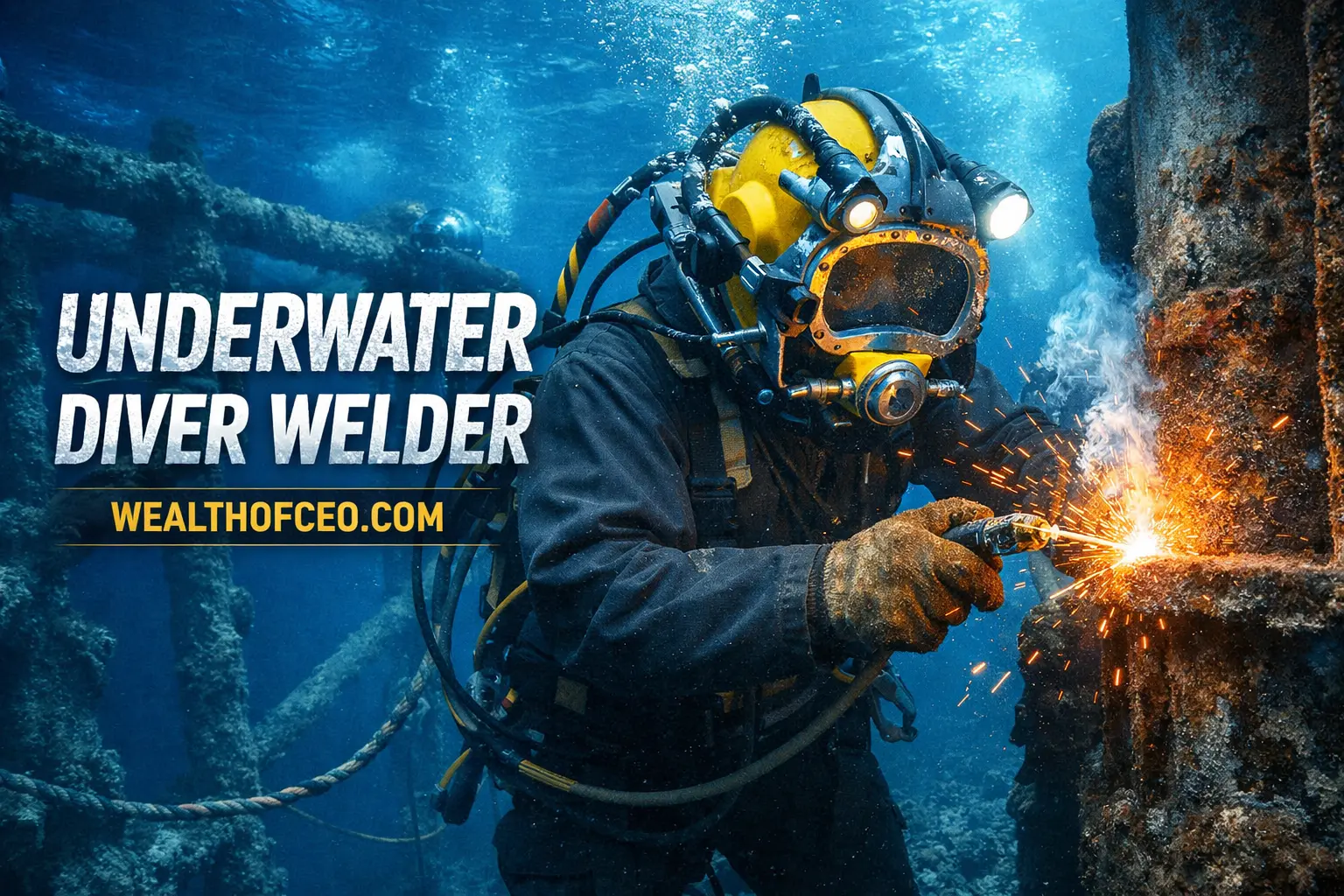
An underwater diver welder is a specialized professional who combines commercial diving skills with advanced welding expertise to perform construction, maintenance, and repair tasks below the water’s surface. This role requires both technical precision and physical resilience, as welders work in challenging environments such as offshore oil rigs, ship hulls, bridges, and marine infrastructure. Understanding the unique demands of underwater welding is essential for those pursuing this career or managing projects that rely on submerged structural work.
Underwater diver welders are highly sought after due to the combination of risk, skill, and specialized training required. With proper certifications, equipment, and safety protocols, these professionals ensure the integrity and safety of critical underwater structures. Career opportunities are expanding globally, especially in offshore energy and infrastructure projects, making this profession both challenging and rewarding for skilled technical divers.
What Is an Underwater Diver Welder?
Definition and Overview of the Role
An underwater diver welder is a professional who performs welding tasks while submerged. They combine commercial diving skills with welding expertise to maintain, repair, or construct structures below water.
-
Operates in rivers, oceans, or tanks
-
Works on industrial, marine, or infrastructure projects
-
Requires both physical fitness and technical skill
Difference Between Wet and Dry Welding
Wet welding occurs directly in water using waterproof electrodes, while dry welding is performed in pressurized chambers or habitats.
-
Wet welding is faster but less precise
-
Dry welding produces higher-quality joints and is safer for critical structures
-
Choice depends on depth, project complexity, and environment
Common Industries and Work Environments
Underwater welders work in sectors where submerged structures require maintenance or construction.
-
Offshore oil and gas platforms
-
Shipyards and marine vessels
-
Dams, bridges, and ports
-
Renewable energy projects like offshore wind turbines
How Underwater Welding Works
Wet Welding vs. Dry Welding Processes
Wet welding uses electric arc welding directly in water. Dry welding occurs inside a pressurized, dry environment.
-
Wet welding: simpler setup, immediate access, limited precision
-
Dry welding: requires hyperbaric chamber, higher quality, safer for structural integrity
Tools and Equipment Used in Underwater Welding
Underwater welding relies on specialized gear for both welding and diving.
-
Waterproof welding rods and arc welding units
-
Diving suits, helmets, and oxygen supply systems
-
Safety lines, communication devices, and pressure gauges
Typical Workflow for an Underwater Welding Job
A standard underwater welding assignment follows a structured process.
-
Pre-dive equipment check and risk assessment
-
Descent and positioning on the work site
-
Welding according to project specifications
-
Continuous monitoring by surface support teams
-
Ascent and post-dive inspection of the weld
Roles and Responsibilities of an Underwater Diver Welder
Daily Tasks and Job Duties
Daily responsibilities include performing precise welds, inspecting underwater structures, and maintaining diving and welding equipment.
-
Conduct structural repairs or installations
-
Monitor weld quality and water conditions
-
Maintain logs and reports for safety compliance
Project Types and Work Assignments
Projects vary from maintenance to construction, often depending on industry needs.
-
Offshore pipelines and oil rigs
-
Marine vessels and ship hulls
-
Bridges, ports, and water treatment facilities
Collaboration With Support Teams
Underwater welders rarely work alone and rely on coordinated support.
-
Surface supervisors and dive tenders
-
Engineers and quality inspectors
-
Safety officers for hazard management
Why Underwater Welding Matters
Importance to Offshore and Marine Infrastructure
Underwater welding ensures the integrity and longevity of submerged structures.
-
Prevents leaks, structural failures, and downtime
-
Maintains critical transport, energy, and industrial systems
Role in Safety and Maintenance of Critical Structures
Regular maintenance through underwater welding protects both personnel and assets.
-
Reduces risk of accidents caused by weakened structures
-
Ensures compliance with safety regulations
Economic Impact on Industrial Projects
Effective underwater welding minimizes project costs by reducing repair delays.
-
Prevents costly structural failures
-
Supports energy and shipping industries efficiently
Benefits of Becoming an Underwater Diver Welder
Career Growth and Salary Potential
The profession offers high earning potential due to skill scarcity and risk factors.
-
Entry-level divers earn moderate salaries
-
Experienced and certified divers can command six-figure incomes
-
Deep-sea and offshore projects offer premium pay
Skills Development and Professional Recognition
Divers develop a unique combination of technical and operational skills.
-
Advanced welding techniques
-
Diving proficiency and hazard management
-
Recognition as highly specialized professionals
Opportunities for International Work
Global infrastructure and offshore industries create demand worldwide.
-
Jobs in the North Sea, Gulf of Mexico, Australia, and Middle East
-
Offshore renewable energy projects expanding demand
-
International assignments offer higher pay and experience
Training, Certification, and Career Path
Required Certifications and Licenses
Professional certification is mandatory for safety and quality assurance.
-
AWS D3.6 underwater welding specification
-
Commercial diving licenses
-
First aid, oxygen administration, and NDT certifications
Recommended Commercial Diving Schools
Accredited schools provide structured programs for underwater welding careers.
-
Programs last several months to a year
-
Courses cover physics, safety, diving techniques, and welding practice
-
Some schools offer hands-on offshore experience
Continuing Education and Skill Advancement
Ongoing training ensures skills remain current and competitive.
-
Advanced welding techniques and equipment use
-
Deep-sea and saturation diving certifications
-
Industry-specific standards updates
Safety, Risks, and Common Challenges
Physical and Environmental Hazards
Underwater welding involves exposure to high-risk conditions.
-
Strong currents, low visibility, and confined spaces
-
Risk of electric shock or hypothermia
-
Heavy equipment and repetitive motion injuries
Decompression Sickness and Other Diving Risks
Pressure changes and prolonged dives can lead to health issues.
-
Decompression sickness and embolisms
-
Nitrogen narcosis at deep depths
-
Fatigue and physical strain
Strategies to Mitigate Workplace Dangers
Risk management relies on preparation and strict protocols.
-
Pre-dive planning and risk assessment
-
Regular equipment inspections and maintenance
-
Constant communication with surface teams
Tools, Equipment, and Technology
Welding Equipment for Underwater Use
Specialized tools ensure effective welding underwater.
-
Arc welding units with waterproof electrodes
-
Welding rods resistant to water contamination
-
Underwater clamps and jigs for stable positioning
Diving Gear and Life Support Systems
Safety gear supports both the diver and the welding process.
-
Full-face helmets and dry suits
-
Oxygen and gas supply systems
-
Communication and monitoring devices
Advances in Underwater Welding Technology
Technological improvements enhance safety and precision.
-
Robotic-assisted welding in deep-sea applications
-
Improved hyperbaric chambers for dry welding
-
Real-time monitoring and remote inspection systems
Best Practices for Underwater Welding
Pre-Dive Safety Checks and Protocols
Always verify equipment and environmental conditions before diving.
-
Inspect welding gear and life support systems
-
Check water currents, visibility, and temperature
-
Confirm communication lines and emergency plans
Welding Techniques for High-Quality Results
Proper technique reduces errors and enhances structural integrity.
-
Maintain consistent arc length and electrode angle
-
Use appropriate weld types for material and depth
-
Inspect each weld before moving to the next task
Maintaining Equipment and Preventive Measures
Regular upkeep prevents failures and ensures safety.
-
Clean and store gear properly after each dive
-
Perform routine maintenance on welding units
-
Replace worn components promptly
Common Mistakes and How to Avoid Them
Welding Errors That Compromise Safety
Mistakes underwater can have serious consequences.
-
Inconsistent weld penetration
-
Poor alignment or inadequate support
-
Failure to follow material specifications
Missteps in Dive Planning and Preparation
Lack of preparation increases risk.
-
Ignoring environmental assessments
-
Inadequate pre-dive equipment checks
-
Miscommunication with surface support
Overcoming Experience Gaps
Experience is critical for safe, high-quality work.
-
Start under supervision before independent dives
-
Engage in continuous training and skill refreshers
-
Learn from past projects and documented errors
Comparing Underwater Welding to Other Trades
Surface Welding vs. Underwater Welding
Underwater welding is more complex due to environmental and safety constraints.
-
Requires diving certification in addition to welding skills
-
Greater physical demand and higher risk
-
Typically higher pay due to specialization
Alternative Marine Construction Roles
Other careers in marine construction may complement or replace underwater welding.
-
Structural inspection diver
-
Offshore maintenance technician
-
Subsea engineer
Choosing the Right Career Path
Decision depends on skills, risk tolerance, and long-term goals.
-
Evaluate physical fitness and technical interest
-
Consider training investment and salary expectations
-
Assess willingness to work in challenging environments
Actionable Checklist for Aspiring Underwater Welders
Steps to Start a Career
-
Obtain basic welding certification
-
Complete a commercial diving program
-
Gain experience under supervision
Essential Gear and Certifications
-
Certified welding equipment and tools
-
Diving suits, helmets, and life support systems
-
Required licenses and first aid training
Preparing for First Dive Assignments
-
Conduct thorough pre-dive checks
-
Review project plans and safety protocols
-
Ensure continuous communication with surface team
Future Outlook and Career Opportunities
Industry Growth and Emerging Sectors
Demand for underwater welders remains strong due to aging infrastructure and offshore energy projects.
-
Maintenance of pipelines, ports, and bridges
-
Emerging offshore renewable energy installations
Offshore Renewable Energy Projects
Wind and tidal projects increase opportunities for specialized underwater welding work.
-
Turbine foundations and subsea cabling require certified divers
-
Projects often offer premium pay and international assignments
Long-Term Career Advancement
Experienced underwater welders can progress to supervisory or inspection roles.
-
Senior diver or dive supervisor positions
-
Offshore project manager or engineer collaboration
-
Specialized deep-sea or saturation diving roles
FAQs
How dangerous is underwater welding?
Underwater welding carries inherent risks due to water pressure, electricity, and environmental conditions. Proper training, safety protocols, and reliable equipment significantly reduce these hazards.
What certifications are required to become an underwater diver welder?
Essential certifications include commercial diving licenses, AWS D3.6 underwater welding certification, and first aid or oxygen administration training. Additional training in deep-sea or saturation diving can enhance career opportunities.
What is the average salary of an underwater diver welder?
Salary ranges widely depending on experience, location, and project type. Entry-level divers may earn $30,000–$50,000 annually, while experienced offshore or deep-sea welders can earn $150,000–$200,000 or more.
Can you start a career in underwater welding without prior diving experience?
Yes, but completing a certified commercial diving program is mandatory before performing independent underwater welding tasks. This ensures safety and compliance with industry standards.
What types of projects do underwater diver welders typically work on?
They work on offshore oil rigs, ship hulls, bridges, dams, ports, and increasingly on renewable energy installations such as offshore wind turbines. Projects often require both maintenance and construction skills.