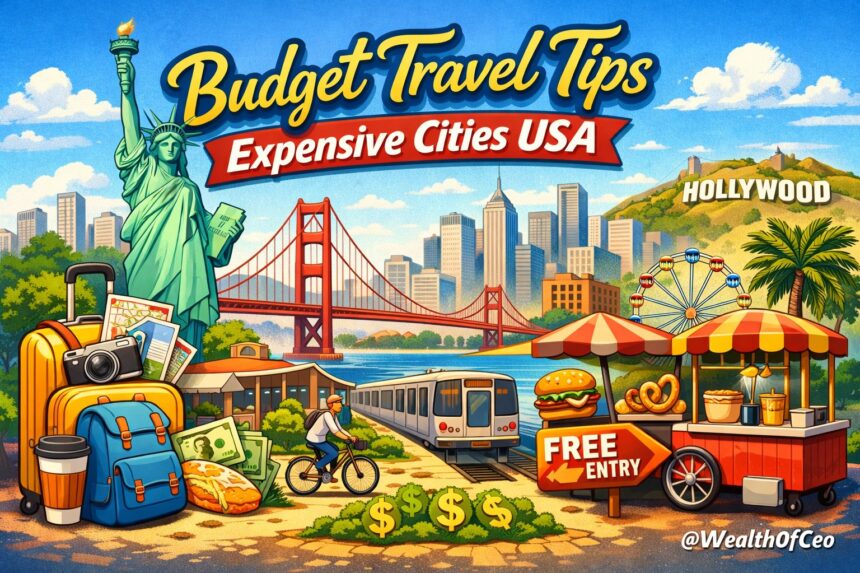
Traveling to major U.S. destinations often comes with the assumption that everything will be overpriced, from hotels to everyday meals. Cities like New York City and San Francisco are known for high living costs, which naturally affect visitors as well. However, the reality is more nuanced. While certain areas and services are expensive, there are always alternatives that offer better value without reducing the overall experience.
This is where understanding budget travel tips expensive cities usa becomes useful, not as a shortcut, but as a way to make smarter decisions throughout your trip. Instead of focusing only on cutting costs, the goal is to spend intentionally by choosing the right locations, timing, and daily habits. With a clear approach, even high-cost destinations can be explored comfortably without unnecessary financial pressure.
Why do some U.S. cities feel expensive and where does the money actually go
High costs in cities like Los Angeles and Boston come mainly from accommodation, location-based pricing, and convenience services. Central neighborhoods carry premium rates because of proximity to landmarks, business districts, and transit hubs. Visitors often pay more for saving time, even when lower-cost alternatives exist nearby.
Another factor is decision fatigue. When travelers are unfamiliar with a city, they default to visible and accessible options such as airport taxis or nearby restaurants. These choices are rarely the most cost-effective. Over time, small overspending in daily decisions leads to a significantly higher total budget.
A common mistake is assuming that everything in these cities is uniformly expensive. In reality, pricing varies widely between neighborhoods. For example, areas slightly outside tourist centers often offer the same services at lower prices, but require a bit more planning and awareness.
Understanding where money goes helps you prioritize. Spending more on a central stay might make sense for a short visit, while longer trips benefit from balancing location with cost. This evaluation step is where most savings begin.
How Can You Reduce Accommodation Costs Without Compromising Safety or Comfort
Lowering accommodation costs starts with choosing the right location strategy rather than simply picking the cheapest option. Staying just outside central zones in cities like Chicago often reduces nightly rates while maintaining access through public transport. This balance keeps both safety and convenience intact.
Short-term rentals through platforms like Airbnb can be useful, but only when total costs are evaluated. Cleaning fees, service charges, and local taxes sometimes make them more expensive than budget hotels. Comparing final prices rather than base rates prevents unexpected overspending.
Another overlooked option is booking smaller hotels or guesthouses in business districts. These areas tend to be quieter during weekends, which can lead to lower prices. They also maintain higher safety standards due to regular commercial activity.
Travelers often make the mistake of booking too early or too late without monitoring price trends. Flexible date searches and periodic checks can reveal better deals. The goal is not to chase the lowest price, but to find a reliable, well-located stay that aligns with your itinerary.
What Are Practical Ways To Save on Food, Transport, and Daily Expenses
Daily expenses are where budgets quietly expand, especially in cities like Washington, D.C.. A practical approach is to treat convenience as a cost factor. Eating near major attractions or using ride-hailing services frequently can double your daily spending without adding meaningful value to your experience.
For food, local neighborhoods provide better pricing and often higher quality. Grocery stores and casual dining spots allow you to manage costs while still experiencing local flavors. A simple strategy is to combine one sit-down meal with lighter, budget-friendly options during the day.
Public transportation is one of the most reliable ways to control expenses. Systems in cities like San Francisco are designed for daily use, not just commuting. Multi-day passes reduce per-trip costs and remove the need for constant decision-making.
A common mistake is underestimating small purchases such as coffee, snacks, and short rides. Tracking these expenses, even roughly, helps maintain control. Budget travel is less about cutting experiences and more about making consistent, informed choices.
Which Free or Low-Cost Experiences Are Worth Your Time in Major Cities
Expensive cities still offer a wide range of meaningful experiences that do not require high spending. Places like Central Park or walking across the Golden Gate Bridge provide memorable experiences without any cost. These locations are popular for a reason and often form the core of a city’s identity.
Museums, galleries, and cultural institutions frequently offer free entry days or reduced pricing during specific hours. Planning around these schedules allows access to high-value experiences at a fraction of the cost. This requires some research, but the payoff is significant.
Walking tours, whether guided or self-planned, are another effective option. They provide context and structure to your visit without the expense of organized packages. Many cities also have public spaces, waterfronts, and historic districts that can be explored independently.
A common misconception is that free experiences are less valuable. In reality, they often offer a more authentic view of the city. The key is to select experiences intentionally rather than filling time with random activities.
How Do You Plan a Realistic Budget Without Underestimating Hidden Costs
A realistic travel budget accounts for both visible and hidden expenses. In cities like Seattle, taxes, service fees, and tipping can significantly increase final costs. Ignoring these elements leads to underestimation and financial stress during the trip.
Start by breaking your budget into categories such as accommodation, food, transport, and activities. Assign flexible ranges instead of fixed numbers to allow for adjustments. This approach reflects real travel conditions more accurately than rigid planning.
Another important factor is currency conversion and payment methods. International travelers often overlook transaction fees, which accumulate over multiple purchases. Using the right payment options can reduce these extra costs.
A frequent mistake is allocating too much to one category, usually accommodation, and leaving limited room for experiences. Balanced planning ensures that you can enjoy the destination without constant financial trade-offs. A well-structured budget supports better decisions throughout the trip.
Conclusion
Traveling in high-cost destinations does not have to feel restrictive or overwhelming when your decisions are guided by awareness and planning. Cities like Los Angeles or Chicago offer a wide range of options, and the difference between overspending and staying within budget often comes down to small daily choices. When you understand how pricing works and where flexibility exists, you gain more control over your experience without sacrificing comfort or quality.
Applying budget travel tips expensive cities usa is less about limiting yourself and more about approaching travel with intention. From selecting the right accommodation area to managing daily expenses and prioritizing meaningful experiences, each step contributes to a more balanced trip. With a practical mindset and realistic expectations, even the most expensive cities can become accessible, enjoyable, and financially manageable.
FAQs
What are the most effective budget travel tips expensive cities usa?
Focus on staying outside central areas, using public transport, and choosing local dining instead of tourist spots. Planning ahead and tracking small daily expenses also helps control overall costs.
Is it cheaper to stay outside city centers when visiting expensive destinations?
Yes, areas slightly away from tourist zones in cities like New York City often offer lower rates. With good transport access, you can save money without losing convenience.
How can travelers reduce food expenses in major U.S. cities?
Eating at local diners, food trucks, and grocery stores is more affordable than tourist restaurants. Mixing one proper meal with lighter options during the day keeps spending balanced.
Are free attractions worth visiting in expensive cities?
Many free places like Central Park offer meaningful experiences. These spots often reflect the culture of the city better than paid attractions.
What is the biggest mistake travelers make in high-cost cities?
Relying on convenience without comparing options leads to overspending. Small choices like taxis and nearby restaurants quickly increase the total trip cost.