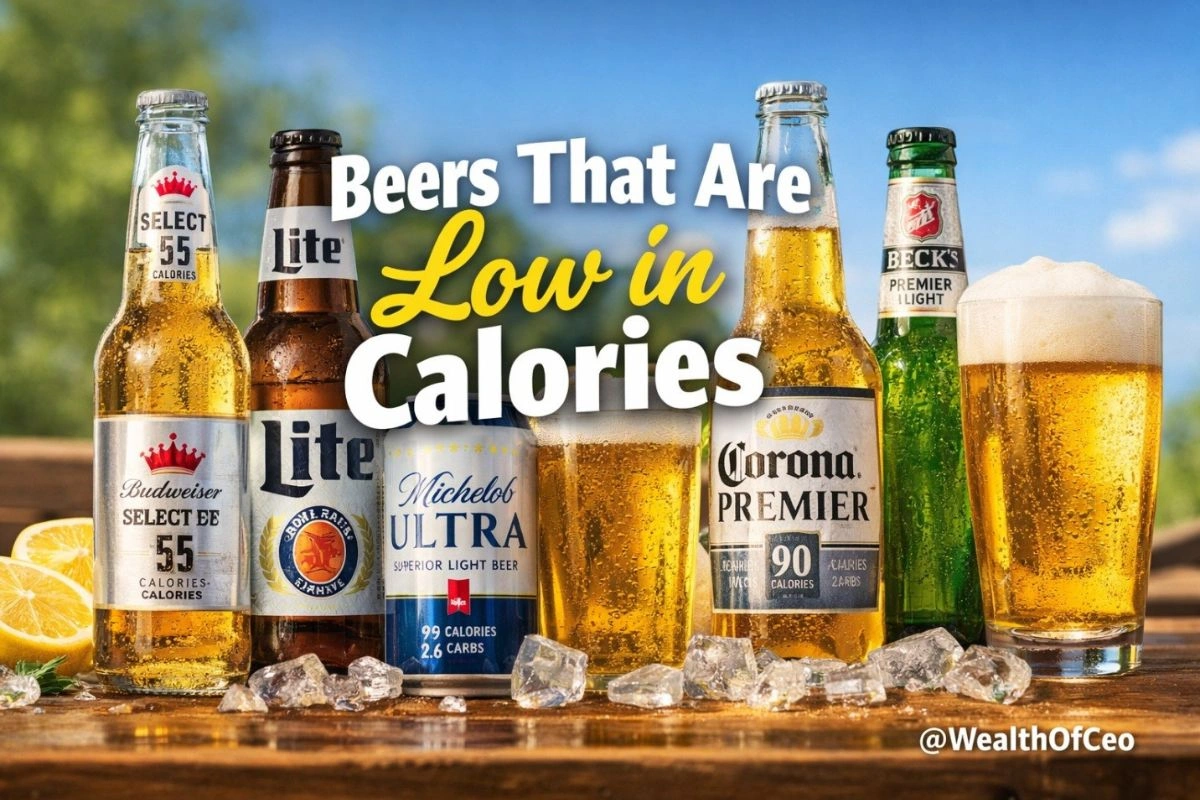
Beers play a regular role in social settings, meals, and casual downtime, but calorie intake has become a practical consideration for many drinkers. Over time, breweries have adjusted recipes, alcohol levels, and fermentation methods to produce lighter options that still resemble traditional beer. This shift has expanded the range of products designed to lower calories without changing how beer fits into everyday routines.
Beers that are low in calories are often chosen to support clearer control over intake while maintaining familiar drinking habits. Instead of eliminating beer entirely, lower-calorie options allow moderation within fitness goals, weight management plans, or balanced lifestyles. Knowing how these beers are made and how they differ from standard offerings helps guide more consistent and informed choices.
What Are Low-Calorie Beers?
Low-calorie beers are beers brewed to contain fewer calories per serving than standard beer, mainly by lowering alcohol content and residual sugars.
They are designed to reduce total energy intake while keeping the core beer experience intact.
Most fall into the light lager, ultra-light, or session beer categories.
How “low calorie” is defined in beer
A beer is generally considered low calorie when it contains significantly fewer calories than a typical 12-oz serving of regular beer.
- No universal legal cutoff, but industry norms exist
- Most products labeled “light” or “ultra-light” fall below common calorie thresholds
- Calories primarily come from alcohol and unfermented carbohydrates
Average calorie range compared to regular beer
Low-calorie beers usually range between 55 and 100 calories per 12-oz serving.
- Regular beer often contains 140–180 calories
- Light beers typically fall between 90–110 calories
- Ultra-light options drop below 70 calories
Light beer vs low-calorie beer
Light beer refers to reduced calories or carbs, while low-calorie beer focuses specifically on total calorie count.
- Some light beers still exceed 110 calories
- Low-calorie beers prioritize minimal energy per serving
- The terms overlap but are not identical
How Calories Are Calculated in Beer
Beer calories are calculated based on alcohol content, carbohydrates, and serving size.
Alcohol contributes more calories per gram than carbohydrates, which drives most variation between beers.
Role of alcohol (ABV) in calorie count
Alcohol is the largest contributor to calories in beer.
- Alcohol contains about 7 calories per gram
- Lower ABV almost always means fewer calories
- Small ABV differences can significantly change total calories
Impact of carbohydrates and residual sugars
Carbohydrates add calories through unfermented sugars left after brewing.
- Light beers reduce residual sugars during fermentation
- Lower-carb beers tend to be lower in calories
- Not all low-calorie beers are low carb
Serving size and hidden calorie differences
Calories are always tied to serving size, not just the beer style.
- Tall cans and pints increase total intake
- Some imports use larger standard pours
- Label comparisons require equal serving sizes
Who Typically Chooses Low-Calorie Beers
Low-calorie beers appeal to people managing calorie intake without avoiding alcohol entirely.
They are chosen more for lifestyle fit than for taste experimentation.
Fitness-focused and weight-conscious drinkers
This group prioritizes calorie awareness as part of broader health goals.
- Often track daily calorie intake
- Prefer predictable nutrition values
- Choose lower-ABV options for recovery days
Social drinkers seeking lighter options
Many social drinkers want something easy to drink over longer periods.
- Lower calories reduce cumulative intake
- Lighter body supports casual settings
- Often preferred at events and gatherings
Consumers moderating alcohol intake
Some drinkers aim to reduce alcohol strength rather than quit entirely.
- Lower ABV supports moderation
- Fewer calories align with reduced consumption
- Fits weekday or work-related social contexts
Why Choosing Low-Calorie Beer Matters
Choosing lower-calorie options helps manage total intake without changing drinking habits entirely.
It supports consistency rather than restriction.
Calorie control without giving up beer
Low-calorie beers allow beer consumption with fewer trade-offs.
- Easier to stay within calorie targets
- Less need to compensate elsewhere
- Supports long-term habits
Alcohol intake and lifestyle balance
Lower-calorie beers often come with lower alcohol strength.
- Reduced intoxication risk
- Better alignment with active lifestyles
- Less impact on next-day performance
Long-term consumption considerations
Small per-drink differences add up over time.
- Frequent drinkers see meaningful reductions
- Helps avoid gradual weight gain
- Encourages mindful consumption patterns
Health and Lifestyle Benefits of Low-Calorie Beers
Low-calorie beers reduce energy intake but do not make beer a health product.
They offer relative benefits compared to higher-calorie alternatives.
Lower calorie intake per serving
The most direct benefit is reduced calories per drink.
- Fewer calories without changing volume
- Easier to plan intake
- Supports calorie tracking accuracy
Reduced carbohydrate consumption
Many low-calorie beers also contain fewer carbs.
- Useful for low-carb eating patterns
- Reduces sugar-related calorie load
- Still not carb-free
Easier moderation in social settings
Lower strength and lighter body support pacing.
- Slower alcohol accumulation
- Easier to stop at planned limits
- Less pressure to switch beverages
Popular Types of Low-Calorie Beers
Low-calorie beers come in several distinct categories based on brewing approach.
Each balances calories, flavor, and alcohol differently.
Ultra-light beers under 70 calories
These beers prioritize the lowest possible calorie count.
- Very low ABV
- Minimal body and bitterness
- Best for strict calorie limits
Light lagers under 100 calories
This is the most common category.
- Balanced flavor and drinkability
- Widely available across regions
- Familiar taste profiles
Low-calorie craft and session beers
Craft brewers offer lighter options without extreme reduction.
- Slightly higher calories but more flavor
- Often labeled as session beers
- Appeals to taste-focused drinkers
Low-Calorie Beers vs Other Alcohol Options
Low-calorie beer is often compared to wine, spirits, and non-alcoholic options.
Calorie differences depend heavily on portion size and mixers.
Beer vs wine calories
Beer often has fewer calories per standard serving than wine.
- Wine contains higher alcohol concentration
- Typical pours vary widely
- Sweet wines increase calorie load
Beer vs spirits with mixers
Spirits alone are low calorie, but mixers change the equation.
- Sugary mixers add significant calories
- Portion control is harder
- Beer offers clearer labeling
Non-alcoholic beer comparisons
Non-alcoholic beers remove alcohol calories but may retain sugars.
- Some options are very low calorie
- Others match light beer levels
- Labels vary widely
How to Choose the Best Low-Calorie Beer
Choosing the right option depends on calorie goals, taste, and availability.
Labels provide most of the needed information.
Reading nutrition labels and ABV
ABV and calories should be reviewed together.
- Lower ABV usually signals fewer calories
- Nutrition panels are becoming more common
- Watch for serving size differences
Flavor vs calorie trade-offs
Lower calories often mean lighter flavor.
- Ultra-light beers sacrifice complexity
- Light lagers balance taste and calories
- Session beers favor flavor over minimal calories
Availability by region and brand
Not all options are globally available.
- Domestic brands dominate ultra-light categories
- Imports vary by market
- Craft options depend on local breweries
Best Practices for Drinking Low-Calorie Beer
Low-calorie beer works best as part of intentional drinking habits.
It does not offset excess consumption.
Portion control strategies
Serving size matters as much as beer choice.
- Stick to standard pours
- Avoid stacking tall cans
- Track total intake, not just per beer
Pairing with low-calorie foods
Food choices influence total calorie impact.
- Lean proteins and vegetables pair well
- Avoid high-fat bar foods
- Balance matters more than restriction
Staying hydrated while drinking
Hydration supports moderation and comfort.
- Alternate beer with water
- Reduces perceived need for refills
- Helps manage next-day effects
Common Myths and Misconceptions
Low-calorie beer is often misunderstood.
Mislabeling leads to unrealistic expectations.
“Low-calorie means healthy”
Low-calorie does not equal nutritious.
- Alcohol remains present
- Minimal vitamins or minerals
- Health impact depends on total intake
Flavor assumptions about light beer
Not all light beers taste the same.
- Brewing techniques vary
- Some focus on crispness, others on neutrality
- Taste is brand-dependent
Alcohol strength misunderstandings
Lower calories do not always mean low alcohol.
- Some beers reduce carbs, not ABV
- Labels must be checked
- Assumptions lead to overconsumption
Risks and Limitations of Low-Calorie Beers
Lower calories reduce energy intake but not all risks.
Awareness matters more than branding.
Alcohol content still matters
Alcohol affects the body regardless of calorie count.
- Impairs judgment
- Affects sleep and recovery
- Contributes to dehydration
Overconsumption due to lighter perception
People may drink more because beers feel lighter.
- Total calories can still add up
- Alcohol intake may exceed intent
- Perception drives behavior
Nutritional trade-offs
Reducing calories often removes other components.
- Less body and mouthfeel
- Fewer natural sugars
- Simplified flavor profiles
Tools and Resources to Compare Beer Calories
Accurate comparison requires reliable data sources.
Several tools help standardize evaluation.
Nutrition databases and apps
Apps aggregate verified nutrition data.
- Useful for tracking intake
- Allow side-by-side comparisons
- Accuracy depends on updates
Brewery-published nutritional data
Many breweries now publish nutrition panels.
- Most reliable source
- Brand-specific accuracy
- Often available online
Barcode and label scanners
Scanning tools simplify comparison in stores.
- Quick access to calorie data
- Useful for unfamiliar brands
- Limited by database coverage
Checklist for Selecting Low-Calorie Beers
A structured approach helps avoid guesswork.
Consistency matters more than perfection.
Calorie and ABV benchmarks
Set clear thresholds before choosing.
- Decide maximum calories per serving
- Choose ABV range that fits goals
- Avoid impulse decisions
Ingredient transparency
Simpler ingredient lists are easier to assess.
- Fewer added sugars
- Clear brewing disclosures
- Consistent formulations
Personal taste preferences
Enjoyment supports long-term adherence.
- Choose styles you will actually drink
- Avoid extreme trade-offs
- Preference drives moderation
Frequently Asked Questions (FAQs)
What are beers that are low in calories?
Beers that are low in calories are brewed to contain fewer calories per serving than standard beer, usually by lowering alcohol content, reducing residual sugars, or both. Most fall into light lager, ultra-light, or session beer categories.
How many calories are in a low-calorie beer?
Most low-calorie beers contain between 55 and 100 calories per 12-ounce serving, depending on alcohol percentage and carbohydrate content.
Do low-calorie beers have less alcohol?
Many do, but not all. Lower alcohol by volume (ABV) often leads to fewer calories, though some beers reduce carbs instead of alcohol.
Are low-calorie beers suitable for weight management?
They can help reduce overall calorie intake when consumed in moderation, but results depend on total consumption and broader diet patterns.
Do low-calorie beers taste different from regular beer?
Flavor is usually lighter with less body, though taste varies by brand, brewing method, and style.